Gian
|
11 min
|
January 7, 2026
Spot hidden trend reversals with divergences, measure real volatility using ATR, and navigate markets with the Ichimoku Cloud. Advanced indicators, strategies, and risk tips to sharpen your trading edge.
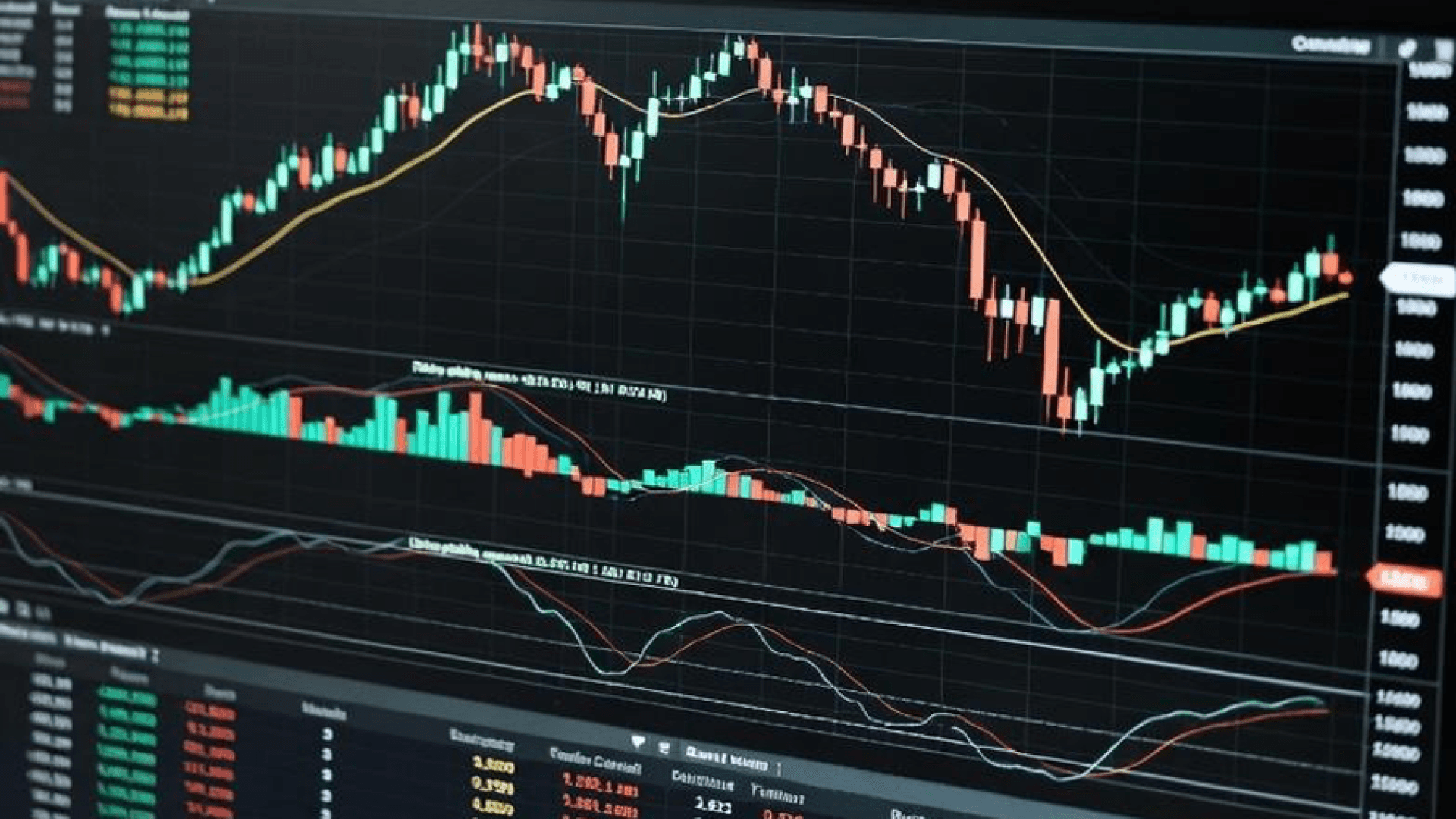
Once you've studied the fundamentals, advanced indicators open up a whole new layer of market understanding, helping you quantify trend strength, measure volatility, and validate price movements with greater precision. Let's break them down one by one, exploring how they work and why they can give you an edge in real-world scenarios.
The Average Directional Index, or ADX, is a fantastic tool for gauging the strength of a trend on a scale from 0 to 100. Its formula involves calculating positive and negative directional indicators (+DI and -DI) and then smoothing them to derive the ADX value, essentially, ADX equals 100 times the smoothed absolute value of (+DI minus -DI) divided by (+DI plus -DI), often over a 14-period window. In practice, an ADX reading above 25 suggests a robust trend worth riding, while anything below 20 points to a choppy, range-bound market where you might want to sit tight. Imagine applying this to a high-flying stock like Tesla during a bull run: a soaring ADX confirms the momentum, encouraging you to hold on, but pair it with the DI lines to pinpoint whether the trend is upward or downward for even sharper entries.
Next up is the Average True Range, or ATR, which shines a light on market volatility by averaging the true range of price movements, accounting for gaps between sessions. The calculation smooths this over time, typically as ATR equals the prior ATR multiplied by (n-1) plus the current true range, all divided by n (with n often set to 14). Traders use ATR for setting realistic stop-loss levels, say, placing a stop 2 times the ATR below your entry to give the trade room to breathe without getting stopped out prematurely. Picture this in the wild swings of Bitcoin: during a rally, an expanding ATR warns of heightened risk, allowing you to adjust your position size accordingly and turn potential chaos into calculated opportunity.
On-Balance Volume, known as OBV, brings volume into the equation to confirm whether price trends have real buying or selling power behind them. It's a running total: add the day's volume if the close is higher than the previous, subtract if lower, or leave unchanged if equal. When OBV rises alongside prices, it validates an uptrend, but divergences, like prices climbing while OBV drops, can signal impending weakness, hinting that the move lacks conviction. Think of it in action with a tech giant like Apple: an early OBV breakout might reveal institutional accumulation before the price surges, giving you a head start on the crowd.
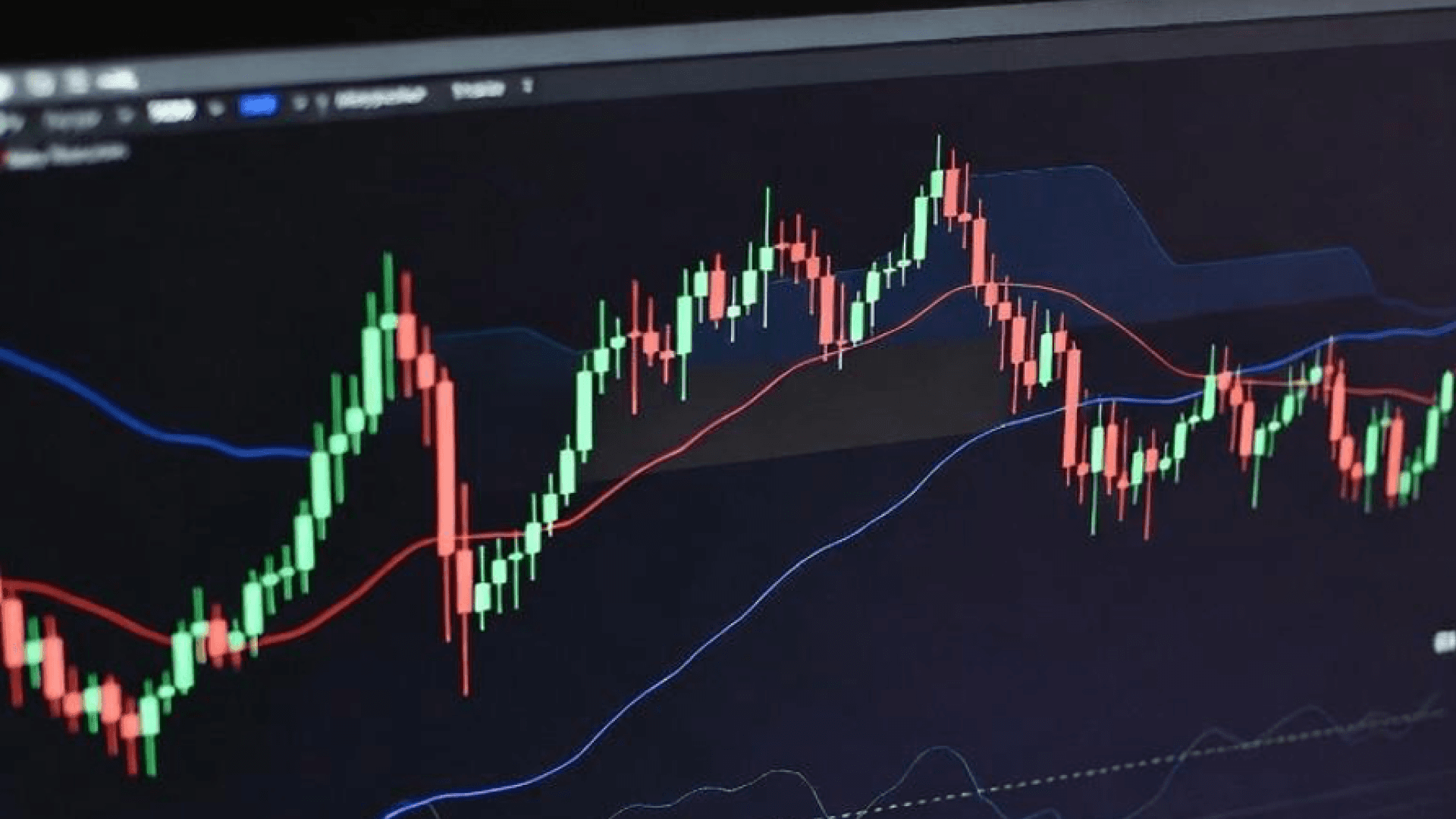
The Ichimoku Cloud, originating from Japan, offers a comprehensive visual snapshot of trends, support, and resistance all in one glance. It comprises several lines: the Tenkan-sen as the midpoint of the 9-period high and low, the Kijun-sen for 26 periods, the Senkou Spans forming the cloud's boundaries (projected 26 periods ahead), and the Chikou Span lagging 26 periods behind. When prices float above the cloud, it's a bullish sign, and twists in the cloud often forecast shifts. In Forex pairs like EUR/USD, the cloud serves as dynamic support during pullbacks, making it a favorite for traders who want an all-in-one system that feels almost intuitive once you get the hang of it.
Fibonacci Retracements draw on the mathematical golden ratio to identify potential support and resistance levels during pullbacks in a trend. Key ratios include 23.6%, 38.2%, 50%, 61.8%, and 78.6%, plotted from a recent swing high to low. Prices often bounce or reverse at these levels due to psychological trader behavior. For instance, in broad market indices like the S&P 500 after a rally, the 61.8% retracement frequently acts as a turning point, offering a low-risk entry for the next leg up, especially when confirmed by candlestick patterns for that extra layer of confidence.
Finally, the Parabolic SAR provides trailing stops to lock in profits as trends progress. Its formula adjusts the SAR value based on the prior SAR plus an acceleration factor times the difference between the extreme point and prior SAR, with the factor starting low and increasing. Dots appearing below prices signal an uptrend and potential buys, flipping above for downtrends and sells. In commodities like gold during extended moves, this indicator helps you stay in winning trades longer while exiting before reversals bite, and you can tweak the acceleration factor to match your risk tolerance for smoother performance.
Strategies
With these advanced indicators in your toolkit, the real magic happens when you weave them into cohesive strategies that adapt to different market conditions. Divergence trading, for example, is a thrilling way to anticipate reversals by identifying mismatches between price action and an indicator's behavior, such as when prices hit new highs but the RSI forms lower highs, suggesting fading momentum and a possible sell-off. Regular divergences highlight weakening trends, while hidden ones point to continuations, making this technique versatile for spotting opportunities in everything from stocks to currencies.
Multi-timeframe analysis adds another dimension by ensuring your trades align across various charts, providing a broader perspective that reduces false signals. You might use a daily chart to confirm the overall trend with ADX, then zoom into an hourly timeframe for precise entry timing via Stochastic crossovers, creating a layered approach.
Combining indicators elevates reliability further, for instance, pairing MACD crossovers with ADX readings above 25 filters out noisy signals in choppy markets, allowing you to focus on high-probability setups. And to ensure your strategies hold up, backtesting is indispensable, use historical data on platforms like TradingView or Python scripts to simulate trades, measuring success through metrics like win rate and Sharpe ratio, while always reserving out-of-sample data to avoid overfitting and keep your edge sharp.
Common Pitfalls and False Signals
Even the best indicators aren't foolproof, and falling into common traps can turn promising trades sour. Over-reliance often leads to whipsaws, those frustrating back-and-forth moves in sideways markets that generate false breakouts and unnecessary losses. Since most indicators are inherently lagging, they might miss sudden turns driven by unexpected news, so always cross-verify with multiple tools and stay aware of the broader context to sidestep these costly errors.
Customization (Period Adjustments)
One of the most empowering aspects of technical analysis is customization, where tweaking periods can tailor indicators to specific markets or your trading style. For volatile assets like cryptocurrencies, shortening an RSI to 9 periods captures quick shifts, while lengthening a moving average to 100 days smooths out noise in stable blue-chip stocks. Experiment with ATR settings, 7 for intraday action versus 14 for swings, to match your timeframe, and always test these adjustments on past data to find what resonates best with your strategy.
Integration with Fundamentals
Technical indicators gain even more power when blended with fundamental analysis, creating a holistic view that accounts for both price patterns and underlying drivers. A bullish MACD crossover right after a strong earnings report, for example, not only confirms the technical buy but also aligns with positive economic news, boosting your conviction. In event-driven environments, this integration helps you avoid trading purely on charts during major announcements, ensuring your decisions are grounded in reality.
Applications
These advanced tools shine across asset classes, each with unique twists. In stocks, OBV excels at detecting accumulation phases before breakouts, revealing where big money is flowing. For Forex, ATR's volatility measure is invaluable for pairs like GBP/USD, helping set adaptive stops in fast-moving sessions. Cryptocurrencies, with their 24/7 nature, benefit from Ichimoku's comprehensive clouds to navigate wild trends, but remember to adjust for lower liquidity in altcoins to prevent slippage surprises.
Risk Management Using Indicators
At the heart of sustainable trading is robust risk management, and indicators provide precise ways to protect your capital. Use ATR to dynamically set stops, perhaps 1.5 times the value below your entry, to give trades breathing room without overexposing yourself. Position sizing can scale with volatility: take smaller bets in high-ATR environments to maintain consistent risk per trade. Parabolic SAR offers trailing stops that automatically adjust as profits grow, while RSI helps avoid entering overbought zones, keeping emotions in check and your portfolio resilient.
Disclaimer: The content provided in this blog post is for informational and educational purposes only and does not constitute financial, investment, or other professional advice. All data, figures, and examples are illustrative and should not be interpreted as guarantees of future performance or recommendations for specific investment actions. While we strive to ensure the accuracy of the information presented, we make no representations or warranties as to its completeness, reliability, or suitability for your individual financial situation. Always consult with a qualified financial advisor or professional before making any investment decisions. The author disclaims any liability for actions taken based on the information provided herein.