Gian
|
5 min
|
November 26, 2025
Bitcoin in pension funds, Stablecoins paying real interest, and crypto now part of everyday finance, here’s exactly what crypto is, how it works, and whether it makes sense for you.
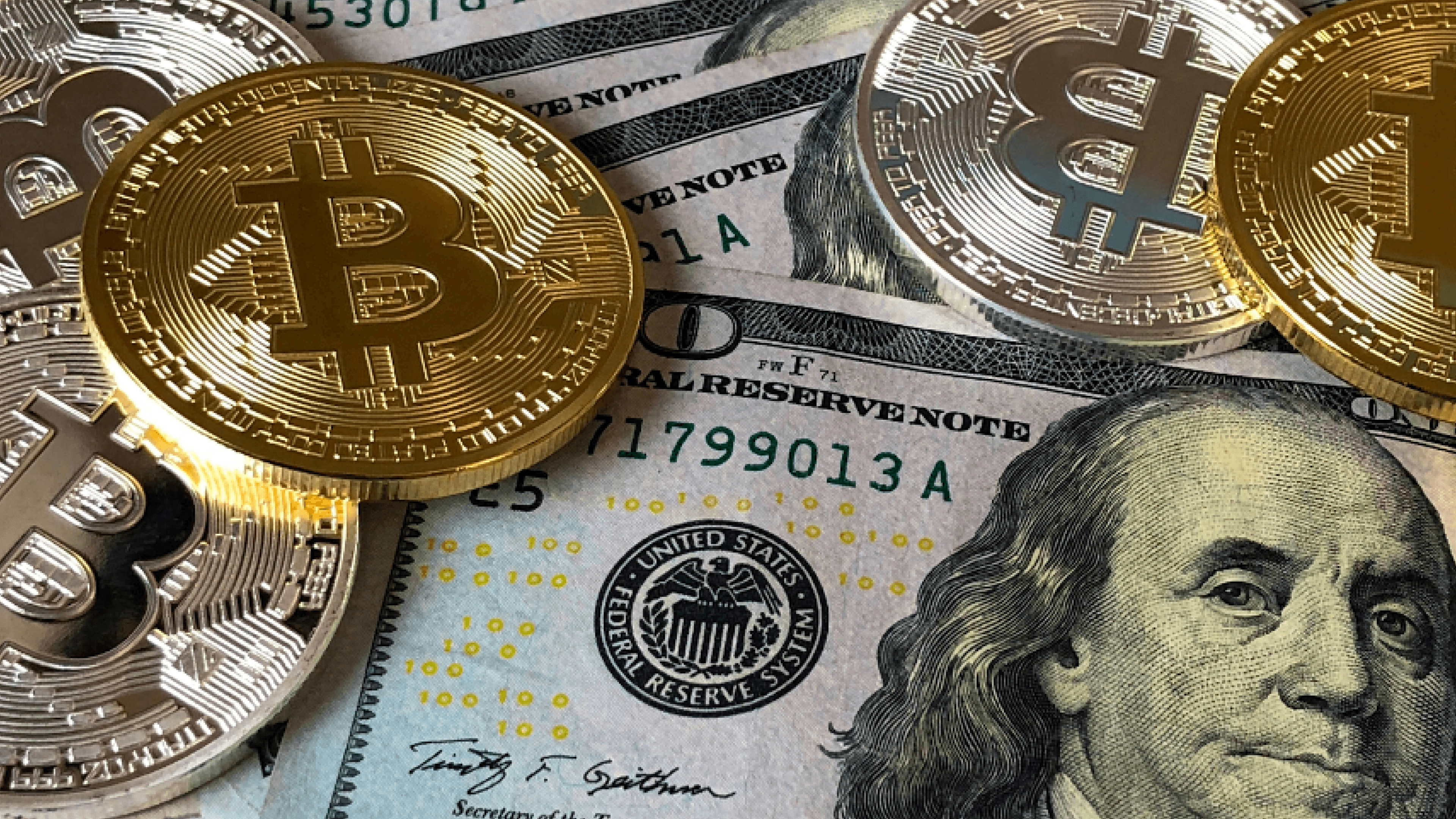
Bitcoin made new all-time highs again in 2025, the total crypto market has passed $3 trillion, and even traditional Swiss banks now let you hold stablecoins. If you’ve been wondering what this is all about but felt overwhelmed by the jargon, relax, here’s the clear, no-nonsense explanation you actually need.
What exactly is cryptocurrency?
Cryptocurrency is digital money that isn’t issued or controlled by any central bank or government. The very first one, Bitcoin, appeared in January 2009 when an anonymous person (or group) called Satoshi Nakamoto mined the genesis block. From that single idea, an entire new asset class was born.
Today there are thousands of different cryptocurrencies, but they fall into a few main categories: Bitcoin as “digital gold”, Ethereum and similar blockchains that can run apps and smart contracts, stablecoins that are designed to stay worth roughly one dollar (or one franc), and a long tail of utility tokens, governance tokens, and yes – plenty of meme coins.
How does it actually work?
At the heart of almost every cryptocurrency is a technology called blockchain: a public ledger that records every transaction ever made. Instead of one bank keeping the master copy, thousands or even millions of computers around the world keep identical copies. When you send crypto, the network checks that you really own it and then updates every copy at once. That’s why it’s called decentralised.
To hold and use crypto you need a wallet, either an app on your phone or a small hardware device. Your ownership is proven by a private key, basically an ultra-long password. If you lose that key (or someone steals it), the money is gone forever. There is no “forgot password” button and no customer service hotline.

What can you do with it?
Quite a lot. You can send money to the other side of the planet in minutes for a few cents. You can trade 24 hours a day, seven days a week. Through DeFi (Decentralized Finance) platforms you can currently earn 4–8% interest on stablecoins, far more than the roughly 0.2% most Swiss savings accounts pay. Some people buy digital art and collectibles (NFTs), others use crypto to buy tokenized real estate or shares, and a growing number of companies now accept Bitcoin or stablecoins directly.
The upside, and the very real downside
The appeal is obvious: you truly own your assets, borders don’t matter, markets never close, and historically the returns have been spectacular (Bitcoin is up more than 15,000% since 2015).
But the risks are just as real: prices can drop 50% or more in a matter of weeks, scams and exchange hacks still happen regularly, and if you send coins to the wrong address or lose your private key, that money is irretrievable. Unlike a normal bank account, there is no deposit protection, you can lose 100% of what you put in.
How to get started safely from Switzerland
Use regulated local providers such as Relai (super simple Bitcoin-only app), Bitcoin Suisse, SEBA/AMINA Bank, or Crypto Finance. If you prefer global platforms, Kraken, Coinbase Advanced, and Gemini have excellent reputations. Start with small amounts of Bitcoin or Ethereum, or simply park some francs in an interest-bearing stablecoin while you learn. Always turn on two-factor authentication and write your seed phrase on paper, never in a digital file.
Bottom line
Crypto has moved from the fringes to the mainstream. In 2025 it’s just another asset class, exciting, useful, and still high-risk. Treat it the same way you would any speculative investment: only use money you can afford to lose, and take the time to understand what you’re doing.
P.S. Never share your private keys. Ever.
Disclaimer: The content provided in this blog post is for informational and educational purposes only and does not constitute financial, investment, or other professional advice. All data, figures, and examples are illustrative and should not be interpreted as guarantees of future performance or recommendations for specific investment actions. While we strive to ensure the accuracy of the information presented, we make no representations or warranties as to its completeness, reliability, or suitability for your individual financial situation. Always consult with a qualified financial advisor or professional before making any investment decisions. The author disclaims any liability for actions taken based on the information provided herein.